IMEDCARE Successfully Participated in the 9th Central Plains Symposium on Neurocritical Care
From August 21 to 22, 2026, the 9th Central Plains Symposium on Neurocritical Care was successfully held in Zhengzhou, Henan Province.
Organized by the Henan Stroke Association and jointly hosted by Henan Provincial People’s Hospital and the Stroke and Critical Care Branch of the Henan Stroke Association, the conference was centered on the theme of “Precision, Standardization, Innovation and Collaboration.” Leading experts in traumatic brain injury and neurocritical care from across China gathered in Zhengzhou to discuss advances in surgical techniques, critical care, clinical management and scientific research. The event attracted hundreds of healthcare professionals and clinical specialists from across Henan Province.
As an active participant in the event, IMEDCARE contributed to the conference through both its exhibition booth and a dedicated academic symposium held on the afternoon of August 21, providing an additional platform for clinical and academic exchange.
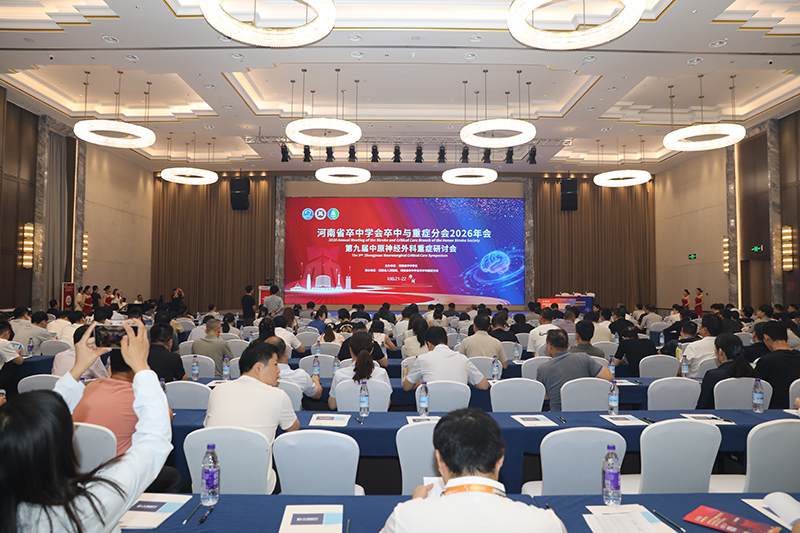
Advancing Precision in Neurocritical Care and CSF Management
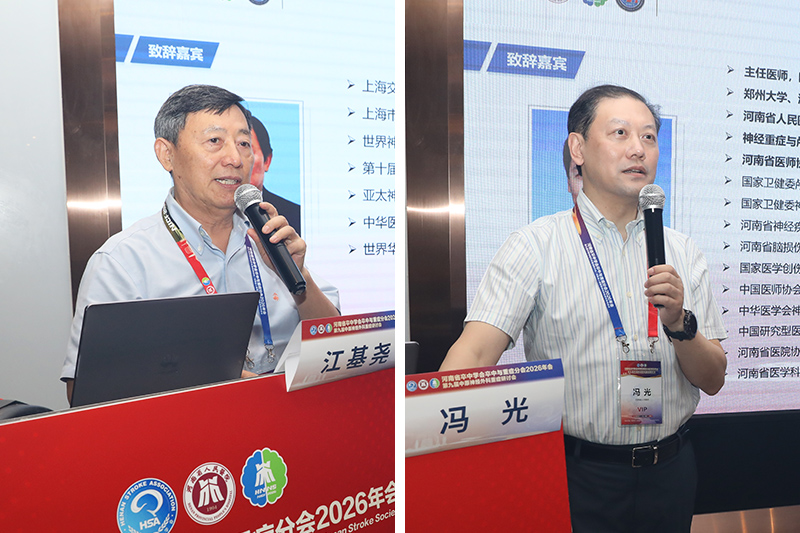
The dedicated symposium, themed “Precision Pressure Control, Confident Shunting — Practical Approaches to Standardized Neurocritical Care and Cerebrospinal Fluid Management,” brought together leading experts to share their clinical experience and perspectives on neurocritical care and cerebrospinal fluid (CSF) management. The symposium opened with remarks from Prof. Jiang Jiyao of Renji Hospital, Shanghai Jiao Tong University School of Medicine, and Prof. Feng Guang of Henan Provincial People’s Hospital.
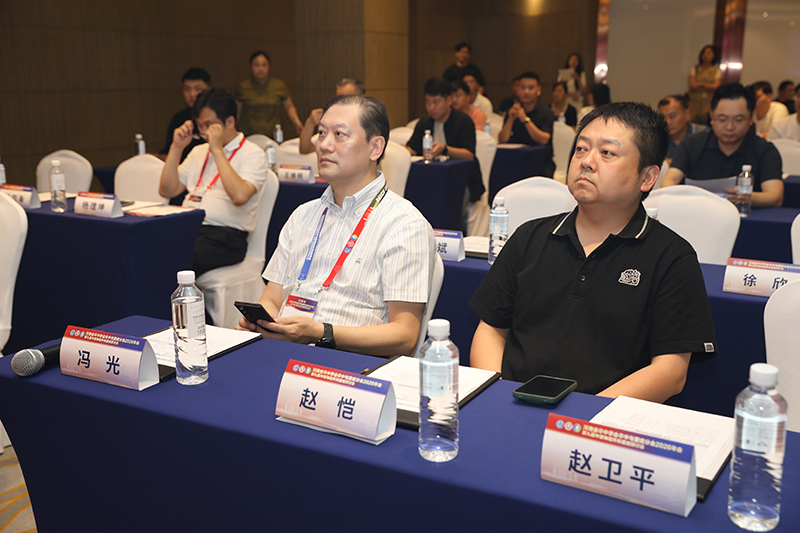
The first session, “Precision Monitoring in Neurocritical Care,” was chaired by Prof. Huang Xianjian of the First Affiliated Hospital of Shenzhen University, Prof. Zhao Kai of Tongji Hospital, Tongji Medical College, Huazhong University of Science and Technology, and Prof. Tao Shengzhong of the Second Affiliated Hospital of Zhengzhou University. During the session, Prof. Zhao Weiping of Inner Mongolia People’s Hospital presented a tiered decompressive strategy centered on intracranial pressure (ICP) monitoring. Prof. Yang Likun of the 904th Hospital of the Joint Logistic Support Force provided an in-depth discussion of individualized brain temperature management in neurocritical care. Drawing on clinical practice, Prof. Shen Youbi of Guangdong Provincial Hospital of Chinese Medicine shared insights into the application of ICP and brain temperature monitoring in the management of intracerebral hemorrhage. Prof. Yue Sihai of Henan Provincial People’s Hospital further explored the clinical significance of ICP monitoring during the perioperative management of critically ill patients.
The second session, “Practical Approaches to Standardized CSF Management,” was chaired by Prof. Zhang Xiaobin of the General Hospital of the Northern Theater Command, Prof. Wu Peitao of Union Jiangnan Hospital, Huazhong University of Science and Technology, and Prof. Xu Xin of Henan Cancer Hospital. The session covered a range of important topics in CSF management. Prof. Wang Huanming of Wuhan Brain Hospital presented strategies for the diagnosis and treatment of post-traumatic hydrocephalus. Prof. Qu Xin of Xuanwu Hospital, Capital Medical University shared his clinical experience with high- and ultra-high-pressure shunt systems. Prof. Liu Chao of Henan Chest Hospital discussed the application of Ommaya reservoirs in tuberculous meningitis, while Prof. Wang Kunpeng of Nanyang Central Hospital shared clinical perspectives on lumboperitoneal shunting. The presentations generated active discussion and interaction among participating experts, creating a strong academic atmosphere throughout the symposium. The event concluded with closing remarks from Prof. Wu Peitao.
Showcasing Innovative Neurosurgical Solutions
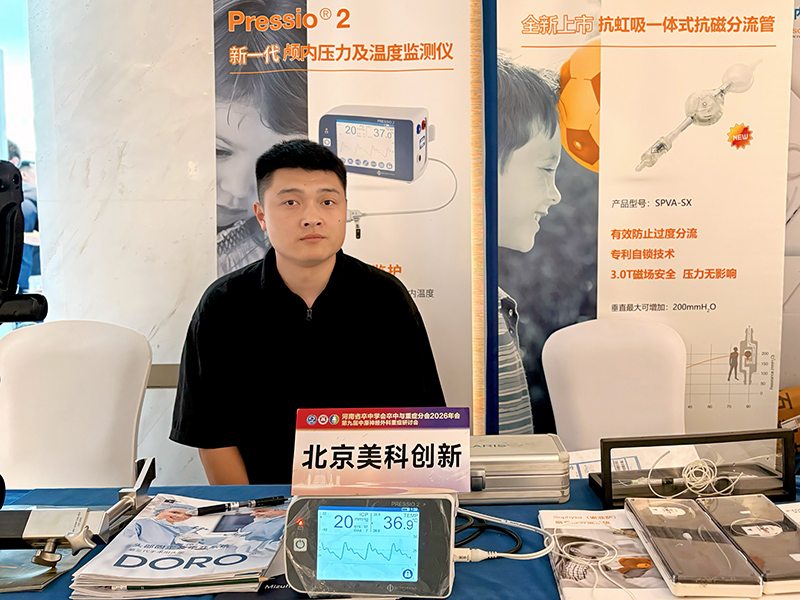
Alongside the academic program, IMEDCARE established a dedicated exhibition booth at the conference venue, showcasing key neurosurgical products from SOPHYSA, DORO and other international brands.
The booth attracted considerable interest from attending physicians, who visited to learn more about the products and experience the devices firsthand.
IMEDCARE will continue to deepen its focus on the field of neurocritical care, working closely with clinical experts and healthcare professionals to promote innovation and knowledge sharing, and to contribute to continuous improvements in the diagnosis and management of traumatic brain injury and critically ill neurological patients.


 EN
EN 
 CN
CN EN
EN
